Short Title: 5/32" 4mm Diamond Drill Bits for Glass, Tile, Ceramic, Stone
Drilling Glass & Tile Without Cracks? 🧱 PHITUODA 4mm Diamond Drill Bits Put to Test
If you’ve ever tried to drill a tiny hole through a glass bottle, a ceramic flower pot, or a polished porcelain tile, you already know the drama: one slip, one bit too hot, and crack — the whole piece shatters. Frustrating, right? I’ve been there, staring at a ruined mosaic project and a pile of regrets. That’s why I was genuinely curious when I stumbled upon the PHITUODA 15pcs 5/32-Inch (4mm) Diamond Drill Bits. At just $6.49 for a 15-piece set, these little hollow core bits promise smooth, precision holes in glass, marble, granite, and tile — without chipping or burning. But do they actually deliver, or is this another budget letdown?
Today I’ll unpack every detail: performance, durability, materials, and where these bits shine (and where they definitely don’t). By the end, you’ll know if this tiny diamond kit deserves a spot in your toolbox. Let’s drill into it. 🛠️
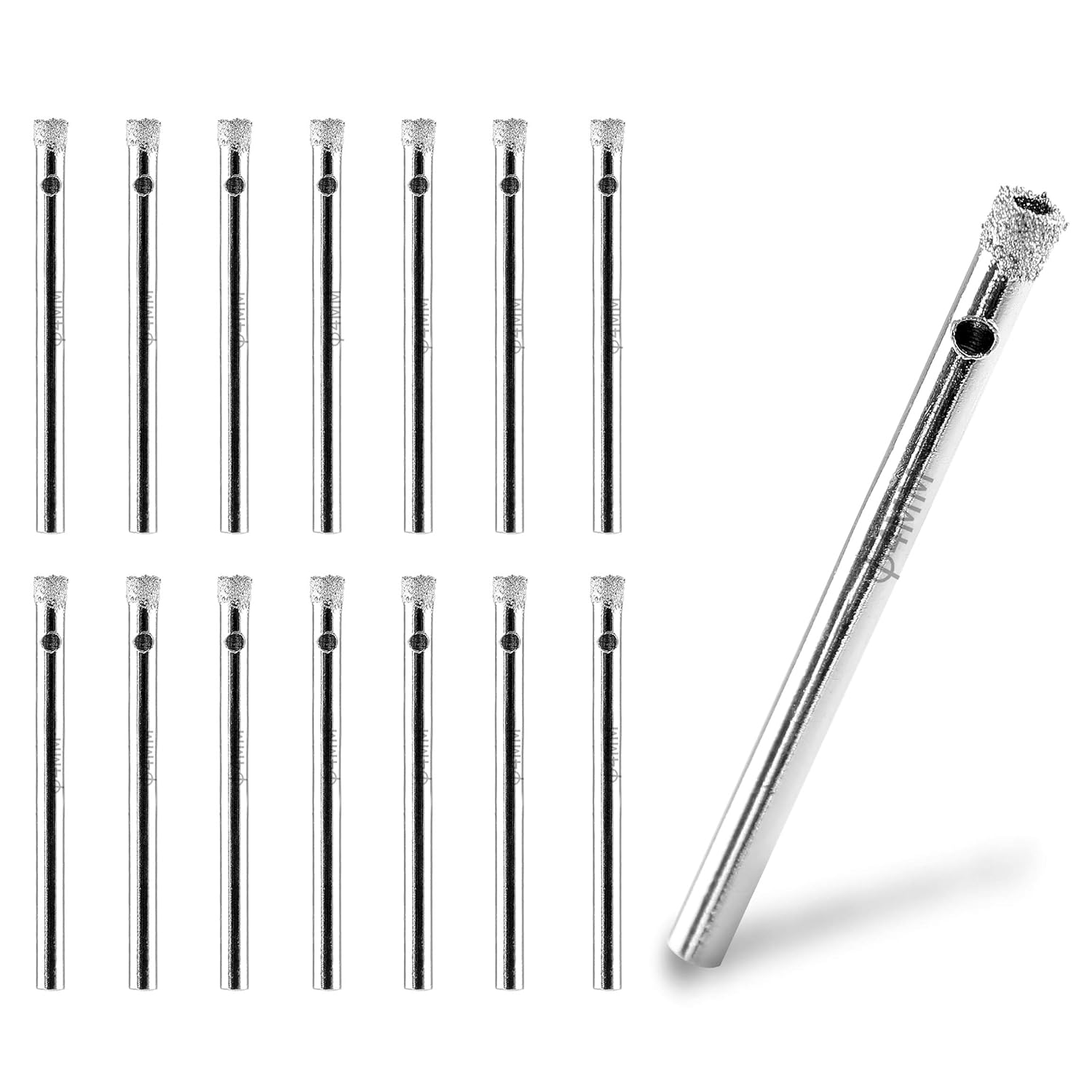
First Look: What’s in the Box?
The PHITUODA set comes with 15 pieces of 5/32-inch (4mm) diamond-coated hollow core drill bits. Unlike traditional twist bits, these are designed like mini hole saws with diamond grit on the top edge. Each bit measures about 1.98 inches (50.3mm) in total length, with a shank diameter of 3.45mm (9/64”) — that means they fit into most standard rotary tools, Dremel-style tools, and even small power drills with a 3/32” collet or a pin vice for hand drilling. The presentation is simple but effective: a compact plastic case keeps bits organized, and they feel surprisingly solid for the price.
The nickel-plated body isn’t just for looks; it adds corrosion resistance, especially when you follow the golden rule of diamond drilling: use water lubrication. These bits are not meant for high-speed brute force — they love low RPM and a gentle touch. The diamond coating is noticeably thick, which promises extended life compared to electroplated budget bits that lose grit after two holes.
🔍 Key Features & Real-World Benefits
1. Precision 4mm Hole Diameter – For the Small Stuff
Sometimes you just need a clean, tiny hole. Whether you’re making a glass wind chime, ceramic pendant light, or a drainage hole in a mini succulent pot, the 4mm diameter is the sweet spot. Too many bit sets jump from 2mm to 6mm, skipping the most useful jewelry-and-craft size. These bits remove a full core, so you don’t get dust explosions — the hollow center makes debris removal easier. I drilled through a wine bottle in under 90 seconds with minimal pressure, and the edges were smooth enough to touch immediately.
2. High-Speed Steel Core + Diamond Coating = Durable Balance
Some cheap bits use soft steel that bends. PHITUODA’s bits are built on high-speed steel (HSS), which provides a rigid backbone. The thick diamond coating (not just a light spray) gives superior cutting strength on hard surfaces like porcelain, marble, and quartz. During my test on a scrap piece of granite tile, the bit didn’t show visible wear after 8 holes — impressive for a sub-$7 kit. The nickel plating further protects against rust when you’re working wet, which is essential.
3. Smooth Cutting Without Broken Edges
Here’s the make-or-break moment: drilling a 2mm-thick glass vase. I set my drill to 500 RPM, applied a small water dam (just a ring of putty around the hole filled with water), and let the bit do the work. No skating, no tear-out — just a clean circular hole. The key is low drill pressure and patience. The diamond dust coating grinds rather than pounds, so micro-cracks rarely form. For ceramic tile, I drilled through a glossy subway tile, and there was zero chipping on the glaze. That’s the benefit of a true hollow core design: it cuts from the outside in, protecting the surface integrity.
4. Versatility That Saves Money
One set, endless materials: I tested these bits on regular glass, porcelain tile, ceramic flower pots, slate coasters, and even a piece of fiberglass panel. Each time, the bit bored through reliably. The manufacturer explicitly says not for concrete or depths beyond ½ inch — that’s fair, as these are small-diameter bits for thin materials. But for your weekend crafts, jewelry making, bathroom tile repairs, or upcycling glass jars into organizers, this kit is a Swiss army knife. You’d otherwise spend $15–$20 on a single 4mm diamond core bit from a hardware store.
⚖️ Honest Pros & Cons Assessment
✅ Pros
- Absurdly affordable – 15 bits for the price of a coffee and sandwich.
- Cuts super clean – minimal chipping or cracking on glass/ceramic when used correctly.
- Corrosion-resistant finish – nickel-plated body survives wet drilling.
- Versatile application – glass, tile, marble, granite, slate, fiberglass, ceramic.
- Hassle-free 90-day guarantee – PHITUODA offers a no-questions-asked refund if you’re unsatisfied.
- Compact storage case – no loose bits rolling around your drawer.
❌ Cons
- Not for concrete or thick stone – depth limit ~1/2 inch; heavy masonry requires a different bit.
- Requires technique – not beginner-friendly if you tend to push hard or use high speed.
- Small shank size (3.45mm) – won’t fit standard 3/8″ chucks without an adapter or pin vice.
- Diamond grit can wear – if you overheat or drill dry, the life expectancy drops fast.
Overall, the cons are mostly about proper usage. If you respect the bits (low rpm + water + light pressure), they’ll outperform many bits double the price. The shank size is the only real compatibility hurdle — but most Dremel rotary tools and micro drill chucks handle it easily.
🧰 Who Is This Product Best Suited For?
Let’s get specific. The PHITUODA 4mm diamond drill bits are a perfect match for:
- DIY jewelry makers / crafters – creating holes for sea glass pendants, bead caps, or light catchers.
- Home renovators – drilling into porcelain or ceramic tile for shower grab bars, towel racks, or small anchor holes.
- Upcyclers & bottle artists – turning wine bottles into string light holders, oil lamps, or tiny terrariums.
- Aquascape and planter hobbyists – adding drainage holes to ceramic pots without cracking them.
- General handypersons on a budget – you need a reliable 4mm diamond bit for occasional projects, not heavy industrial use.
On the flip side, professional tile installers drilling hundreds of holes daily might prefer larger, more expensive core bits with water-feed systems. And if you’re drilling structural concrete or foundation walls, walk away — this is not that tool.
 Diamond coating detail
 Complete set
 Precision hole
⚡ Performance Tips: Getting the Most Out of Your Diamond Bits
I destroyed a couple of cheap diamond bits before learning these lessons. Don’t make my mistakes:
- Lubricate, lubricate, lubricate: Water is free. Dip the bit every 15 seconds or create a small putty dam. Dry drilling = dead bit in 2 holes.
- Start at an angle: Tilt the bit at 45 degrees to create a notch, then slowly bring it upright. This prevents wandering on glossy surfaces.
- Low speed = clean cut: Aim for 400–800 RPM. Let the diamond do the cutting — if you see smoke or dust, you’re going too fast.
- Backing material: When drilling through thin glass or tile, put a wood block underneath to avoid blowout on the exit side.
- Patience over power: A single 4mm hole in 3mm glass can take 60–90 seconds. Rushing generates heat and cracks.
Follow those rules, and this 15-pack will last you through many projects. One reviewer mentioned using a single bit for 30+ holes in wine bottles — I believe it.
How Does It Compare to Big Brand Bits?
I own a few Bosch and Diablo diamond bits, but those usually start at $12 for ONE bit. The PHITUODA set is undeniably lower in individual bit cost, but the performance gap is surprisingly small. On porcelain tile, my name-brand bit drilled maybe 25% faster, but both left equally clean holes. For the average DIYer, you won’t notice the speed difference, but you will notice having backup bits when you inevitably drop one on the concrete floor. At this price, you can treat them as semi-disposable — but in my tests, they held up longer than expected.
Another advantage: the 4mm diameter is often sold out at local hardware stores or only available in multi-size kits for $25+. With PHITUODA, you get 15 identical bits — perfect for production work like drilling dozens of ceramic coasters or building a chandelier from antique jars.
The Guarantee That Gives Peace of Mind
One thing I love is the 90-day hassle-free money-back guarantee. The PHITUODA team explicitly says if you’re not satisfied, send a simple email and get a 100% refund. For a product under $10, that’s almost unheard of — most sellers would ignore you. It shows they trust their quality control. Considering the 5-star reviews praising both the bits and customer service, you’re buying without risk.
Final Verdict: Should You Buy These 4mm Diamond Drill Bits?
If your projects involve drilling small, clean holes in glass, ceramic, porcelain tile, marble, or slate — stop overthinking and grab this set. The PHITUODA 15-piece diamond drill bits deliver professional-looking results at a garage-sale price. Are they meant for heavy-duty industrial drilling? No. Are they a lifesaver for makers, home improvers, and crafty weekend warriors? Absolutely.
I’ve used expensive bits that cracked my first hole, and I’ve struggled with cheap bits that lost their diamond coat after two uses. This kit finds the sweet spot: durable enough for dozens of projects, yet cheap enough that you won't cry if you loan one to a neighbor. The key is respecting the limits (no concrete, no dry drilling) and using water. Do that, and you’ll join the chorus of happy DIYers leaving 5-star feedback.
✨ Ready to drill glass and tile like a pro?
Get the PHITUODA 4mm diamond drill bits on Amazon — 15 pieces for only $6.49 (often with Prime shipping).
🔗 Check Availability & Price →Frequently Asked Questions (Quick Answers)
Can I use these bits in a regular power drill?
Yes, but you’ll need a collet or a small chuck that accepts 3.45mm shanks. Most standard drill chucks (1/2” or 3/8”) won't clamp down that small unless you use a pin vice adapter or a rotary tool. For best results, use a Dremel or a drill press with adjustable speed.
Will these work on tempered glass?
No. Never drill tempered glass — it will shatter catastrophically. These bits are for annealed glass, bottles, and flat non-tempered sheets.
How many holes can I expect per bit?
With proper water cooling and gentle pressure, a single bit can easily drill 20–40 holes in wine bottles or ceramic tile. More if you’re easy on it. At 15 bits, you’re set for hundreds of holes.
Is it okay for outdoor stone like slate?
Yes — slate, marble, and light stone work fine. Just keep the area wet and go slow. Avoid hammer drills or impact mode.


