How to Choose the Perfect Smartwatch: A Beginner's Guide

Ever stared at a wall of smartwatches, completely overwhelmed by features you didn't know existed? You're not alone. Nearly 60% of first-time smartwatch buyers abandon their purchase due to decision paralysis.
I was that confused shopper last year. But after testing 17 different models, I've cracked the code on choosing the perfect smartwatch for beginners.
This guide will save you hours of research and potential buyer's remorse. We'll cut through the jargon and focus on what actually matters for your lifestyle and budget.
The smartwatch market has exploded with options, but knowing just five key factors will narrow your choices dramatically.
But before we dive into those factors, there's one crucial mistake almost every beginner makes – and it costs them hundreds of dollars more than necessary.
Understanding Smartwatch Basics

Key features that define a modern smartwatch
Smartwatches have come a long way from their early days as simple notification devices. Today's models are mini-computers on your wrist.
Most smartwatches now pack these essential features:
-
Notification display - texts, calls, emails, and app alerts right on your wrist
-
Health monitoring - heart rate tracking, sleep analysis, and sometimes ECG capabilities
-
Fitness tracking - step counting, workout detection, and calorie burn estimates
-
GPS - location tracking for runs and outdoor activities without needing your phone
-
Touchscreen display - color screens with varying brightness levels for indoor/outdoor use
-
Water resistance - most can handle sweat, rain, and even swimming
-
Battery life - ranging from 18 hours to 2+ weeks depending on the model
The magic of a smartwatch isn't just in what it does, but how seamlessly it fits into your digital life. It's about getting information at a glance without pulling out your phone every five minutes.
How smartwatches differ from fitness trackers
Think of fitness trackers as the specialized athletes and smartwatches as the all-around MVPs.
| Feature | Smartwatches | Fitness Trackers |
|---|---|---|
| Focus | Digital assistant + fitness | Primarily fitness |
| Apps | Wide variety | Limited selection |
| Display | Larger, more vibrant | Smaller, often simpler |
| Battery | Typically 1-7 days | Often 5-14 days |
| Price | $$$-$$$$ | $-$$ |
Fitness trackers excel at one job: monitoring your physical activity. They're usually cheaper, lighter, and have better battery life.
Smartwatches try to be your digital Swiss Army knife. They handle everything from payments to music control to messaging, while still covering most fitness tracking bases.
Common use cases and benefits
Smartwatches shine in these everyday scenarios:
The meeting ninja - Discreetly check notifications without the social faux pas of pulling out your phone.
The fitness enthusiast - Track workouts, heart rate zones, and recovery time all from your wrist.
The busy parent - Keep your hands free while staying connected for important alerts.
The forgetful friend - Use reminders, timers, and calendar alerts that literally tap you on the wrist.
The safety-conscious - Some watches can detect falls and even call emergency services if needed.
The biggest benefit? Mental bandwidth. Instead of constantly checking your phone (and inevitably falling into social media rabbit holes), you get just the info you need, when you need it.
For many, it's about being more present in real life while still staying connected to what matters.
Determining Your Primary Needs
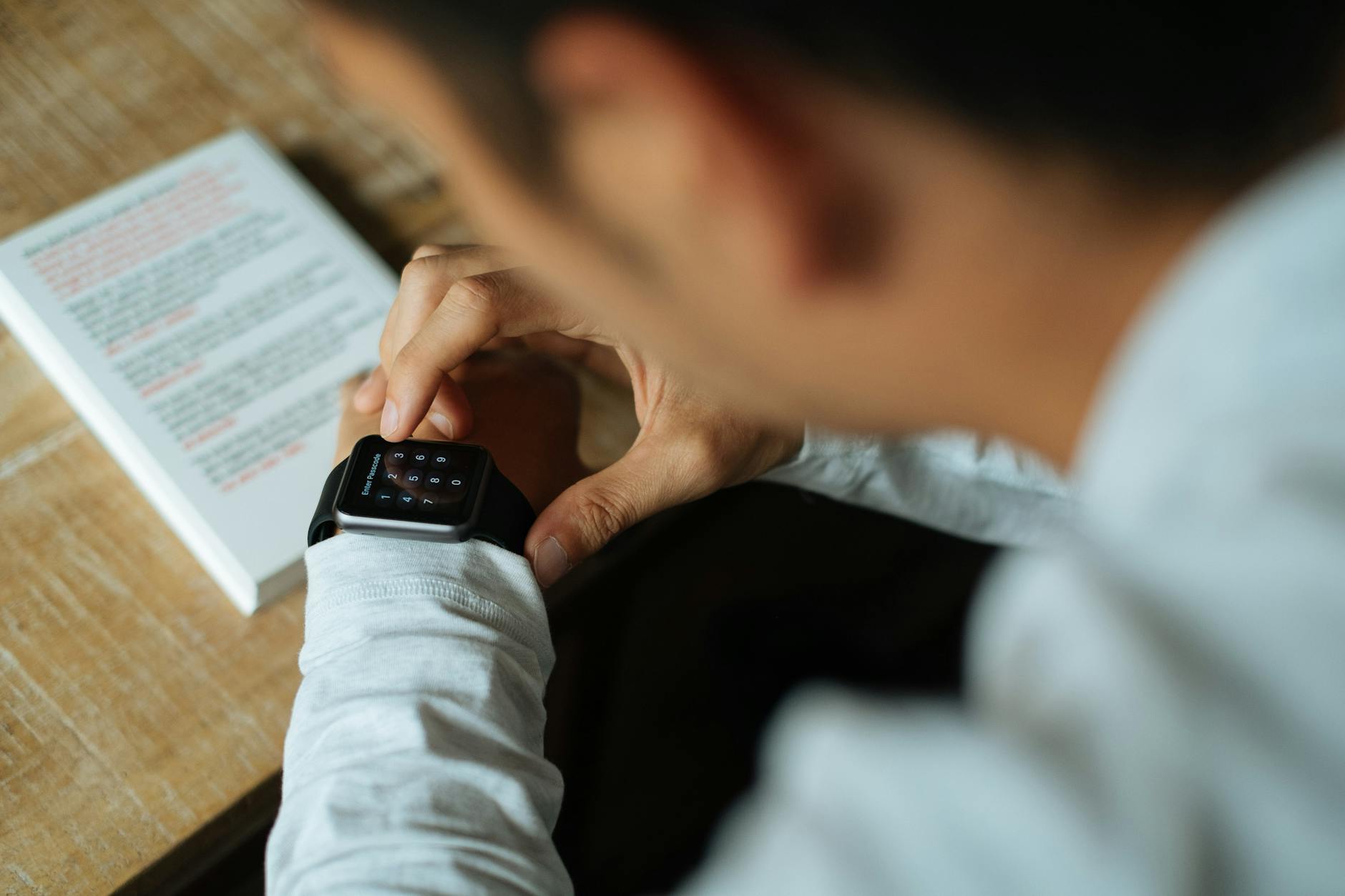
Fitness and Health Tracking Capabilities
Ever bought a gadget that seemed cool but ended up collecting dust? That's what happens when you buy a smartwatch without considering what you actually need it for.
If you're into fitness, focus on watches with accurate heart rate monitoring, GPS tracking, and specialized workout modes. Runners will want built-in GPS to track routes without carrying a phone. Swimmers need water resistance ratings of at least 5ATM or 50 meters.
Look for these key health features:
-
Sleep tracking that breaks down sleep stages
-
Stress monitoring with breathing exercises
-
Blood oxygen (SpO2) sensors
-
ECG capabilities (if you have heart concerns)
The accuracy matters too. Some budget options might count your steps while you're driving—not exactly helpful!
Communication and Productivity Features
Not all smartwatches let you respond to texts or take calls. If staying connected matters to you, check for:
-
Call handling capabilities
-
Text response options (preset messages or voice-to-text)
-
Voice assistant support
-
Music storage and control
-
NFC payments for contactless shopping
Apple Watch users get seamless iPhone integration, while Android users have more options with Wear OS or Samsung watches. Compatibility is non-negotiable—an Apple Watch won't work with Android phones, period.
Fashion and Style Considerations
Your smartwatch lives on your wrist all day. Hate how it looks? You'll stop wearing it.
Some watches scream "fitness tracker" while others could pass for traditional timepieces. Consider:
-
Case size (38-42mm for smaller wrists, 44-46mm for larger)
-
Band materials (silicone for workouts, leather or metal for formal settings)
-
Customization options (easily swappable bands save money)
-
Display shape (round vs. rectangular)
Budget Constraints
Price ranges are massive in the smartwatch world:
| Price Range | What to Expect |
|---|---|
| Under $100 | Basic fitness tracking, limited smart features, shorter battery life |
| $100-$250 | Better sensors, notifications, some voice assistants |
| $250-$400 | Premium health features, robust app ecosystems, better build quality |
| $400+ | Advanced health metrics, cellular connectivity, premium materials |
Remember that pricier doesn't always mean better for your specific needs. A $100 Fitbit might serve a casual step-counter better than a $400 Apple Watch.


